Why Life?

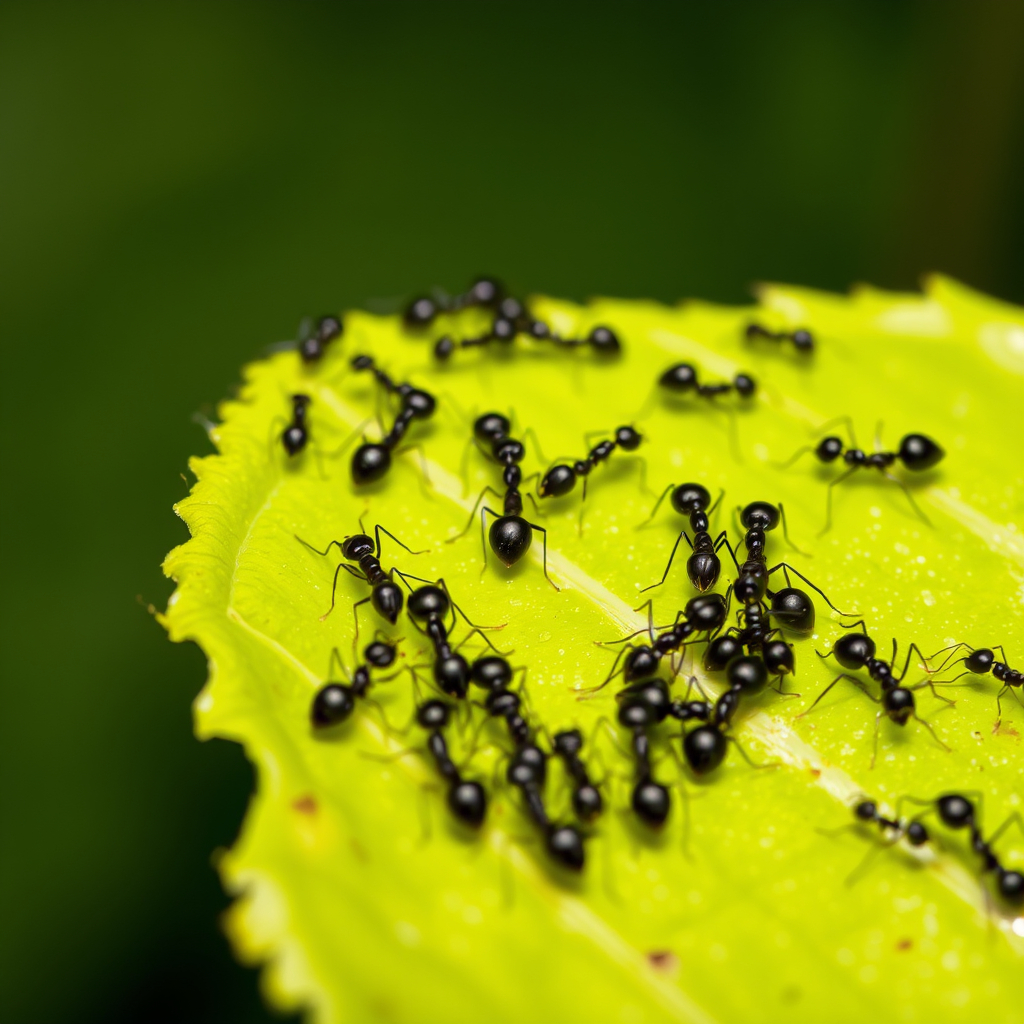
A picture of many black ants on a leaf, viewed from about five feet away.

Why Life?

I’ve been thinking lately about what ‘life’ is and why it’s so persistent. If we define ‘life’ as something that grows, reproduces and expands it’s territory, I think we have a pretty acceptable definition. My big question is ‘why?’. Why does it ‘life’ have such a strong drive to create more of itself even when that process means the end of the individual? The male praying mantis needs to mate with the female. When the mating is over, she eats his head. Salmon swim thousands of miles to where they were hatched to mate and die immediately after. Even in those species that don’t die after mating, both male and female will die protecting their offspring if required. Even humans generally follow this rule. 


What is the purpose of this? Is there some force in the universe that demands ‘life’ spread as far as possible? Most forms of life expand to fill the environmental niche they can comfortably live in. That limits their growth area but not the need to continue creating more individuals. Humans are different though. We’ve come up with ways to make the whole planet habitable and now have a desire to spread to other planets. 


Humans have sometimes been compared to a virus. Not a totally incorrect comparison, but one that over-simplifies how humanity operates. We care aware of the consequences of our actions, even if we choose not to avoid them. Virus’s can’t do that. But both operate on the compulsion to expand as far as possible. 


So I as ‘why?’. Why does life in all it’s forms have this need?

Any Hope for the Future?

Any Hope For The Future?

Scene of a seaside junkyard.

I’m starting a new novel about how future climate changes will affect people. It will feature four different sets of people in North America and will have vignettes of situations from other parts of the globe. 


In my research, as I want the science to be as accurate as possible, I’ve uncovered several disturbing situations. I’ve also been watching the news about climate and weather incidents. Regrettably, I’ve also seen a lot of items that, while not climate related, could very well be in the not-so-distant future. 


What I’ve come to realize is that humanity is incredibly short-sighted and stupid. None of our “leaders” seems to want to tackle the big problems facing us. They argue over “wording” in climate change reduction talks without committing to any real action. They ignore some of the root causes of climate change, and they, from my viewpoint anyway, seem more interested in just keeping their jobs. This is especially true of some of the dictatorial types. 


Unfortunately, the common populace doesn’t seem interested in making any real changes either. Some of the reasons I can understand. It’s tough to take action on something in the future when you’re worried about feeding your family in the here and now. 


I’ll be exploring some of these themes in the novel. 


I’ll keep you posted on it’s progress.

Writing About The Future

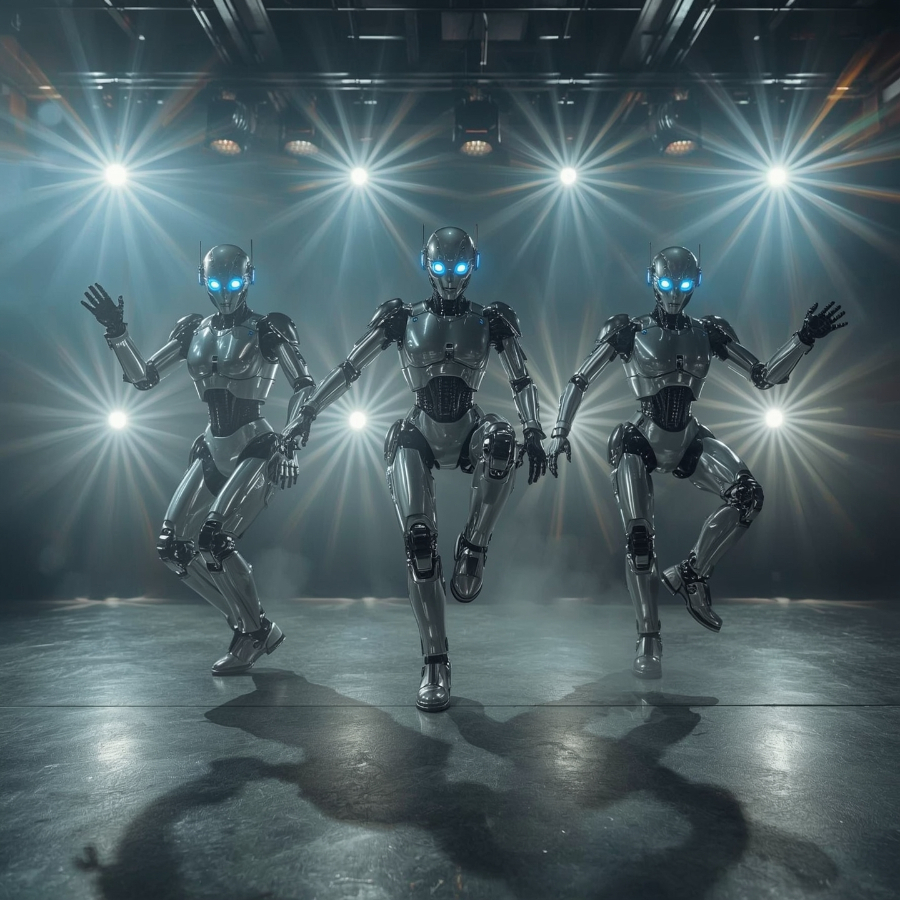
Three robots dancing on a stage with bright lights behind them.

Writing About The Future

One of the problems about predicting the future in science-fiction writing, especially the not-to-distant future, is keeping the science right. In my stories about climate change, it is all too easy to stage them with today’s current culture. Things, however, are never so simple. Right now, in addition to following the latest about climate change, I’m also following the developments in A.I. and robotics. These are two fields that seem to be evolving at breakneck speed. There are many who say, particularly in regard to A.I., that we are at the beginning of an apocalypse. I don’t believe so. 


A few years ago, a magazine I read, Popular Science, I believe, had an article about how accurate their predictions were. Every year for the past fifty or so years, they made predictions of what life would be like in twenty years based on the science of that day. The article concluded that they were mostly wrong. Some things that they predicted never came to pass – like personal flying packs – while other things became common with no hint from twenty years ago – like cell phones. 


In my vignettes and stories, I’ve tried to incorporate some advances in A.I. and robotics that I believe will be common thirty years from now. Hopefully, this adds additional depth to my stories.

Researching the Story

An open book being held by a young man sitting at a desk at home.

Researching the Story

When I decided to write my story about Climate Change, I knew I’d have to do a lot of research. I wanted my story to be as realistic as possible, so I ended up reading a lot of government articles and watched some TED and PBS videos. I also have a contact whose work involves interfacing with COP (Conference of Parties (COP16) of the United Nations Framework Convention on Climate Change (UNFCCC). 


The government stuff was pretty heady and, in some places, difficult to understand. That’s where my contact helped a lot. Fortunately, for me, all this research gave a broad overview of where we might be in the coming decades but no specific details. This is where my storytelling came in. 


I focused, not so much on what the climate changes will be, but on how people deal with them. I chose to use four main story lines to show the different effects of climate change in different geographical areas and different groups of people. 


I’ve also included a few vignettes (one page snapshot stories) to show aspects that wouldn’t support a complete story in themselves. The vignettes are being posted in a special area of the website so my readers can see how other people deal with the changes.

Why

A wildfire at night burning down a suburb street

Why Aren't Insurance Companies Helping?

One of the things I don’t understand is why the insurance companies aren’t more vocal about supporting climate change initiatives. You’d think that these companies, who tend to think in the long term, would want people to take more action on climate change so that they, the insurance companies, can protect their assets more. They are losing billions every year due to the effects of climate change and yet so many just think of reducing their losses by not covering items they covered before. I feel sorry for the people who’ve paid years for coverage only to discover that they are no longer covered because the threat has now been categorized as “an act of god”. One of the story lines in my novel is about a retired couple who have lived in their house, in a fair-sized community, for over twenty years, only to survive a wildfire that destroys the whole community and realize that their insurance no longer covers them. Like so many people in the real world, they are now refugees. It’s a sobering thought.

My Latest Adventures with AI

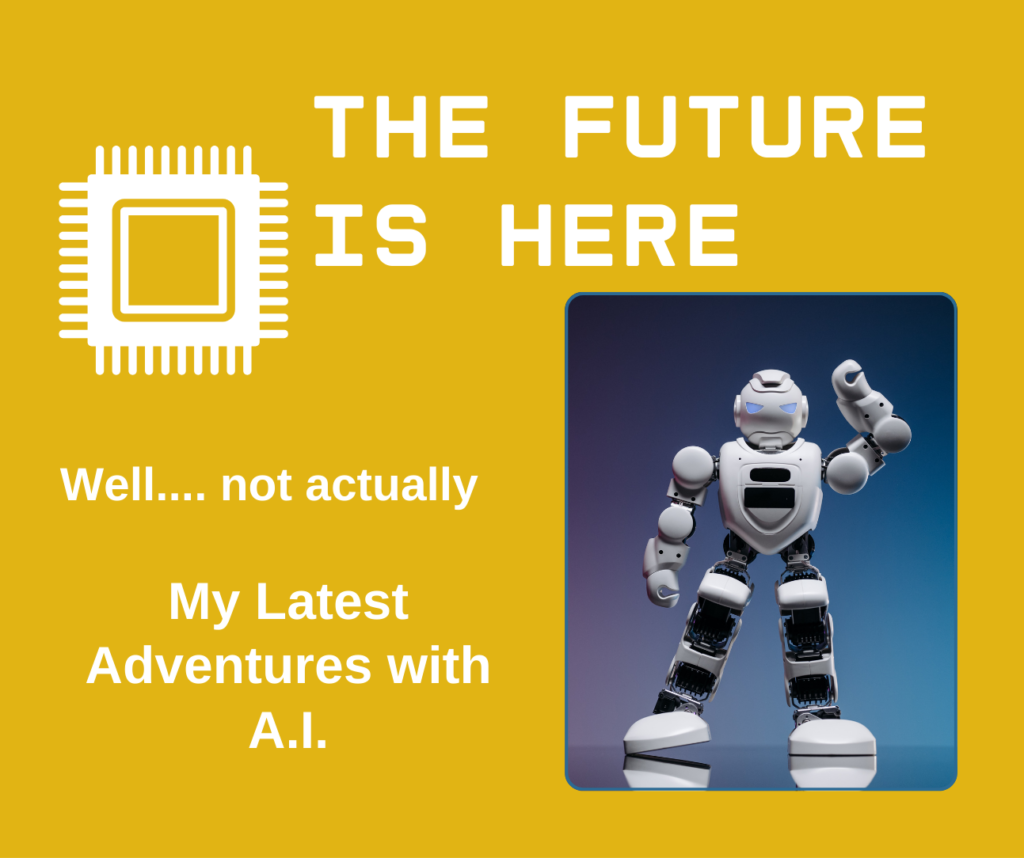
Thumbnail image for a blog post. The title reads 'The future is here. Well.. not actually'. There is an image of a toy robot with one arms raised.

My Latest Adventures with AI

I’ve just spent the last week and a half creating my latest video for YouTube. It hasn’t been easy. While AI can be great at generating images from simple prompts, maintaining consistency across a scene using different points of view was almost impossible. Maybe it was my prompts, but I couldn’t get the consistency I wanted. 


In my story “Dockside: After the Hurricane”, all the action takes place in one room. It’s the Longshoremen’s Union Hall. There’s a simple raised stage at the front of the hall with rows of folding chairs in rows on the main floor. I’m sure you can see it in your mind. However, when creating the first picture, the AI I was using kept adding elements that I didn’t ask for and failed to put some of my elements, like people, in the places I indicated. It took me three days to get a picture I was okay with. Trying to get a second picture from a different point in the room while maintaining the features from the first shot was impossible. 


For those who have read my stories, you know that they usually are all one scene, usually one room. I’ll continue making then videos, but they won’t be coming out as fast as the stories.